PrintToShip  /  Plate-check

Know when the plate’s clear — automatically.

Plate-check is a camera that answers one question per printer: is the build plate clear, or is a finished print still on it? That answer is what turns finished into collected — so your fulfillment app can book the print into stock and free the machine for the next job, with nobody walking to the farm.

Request early access

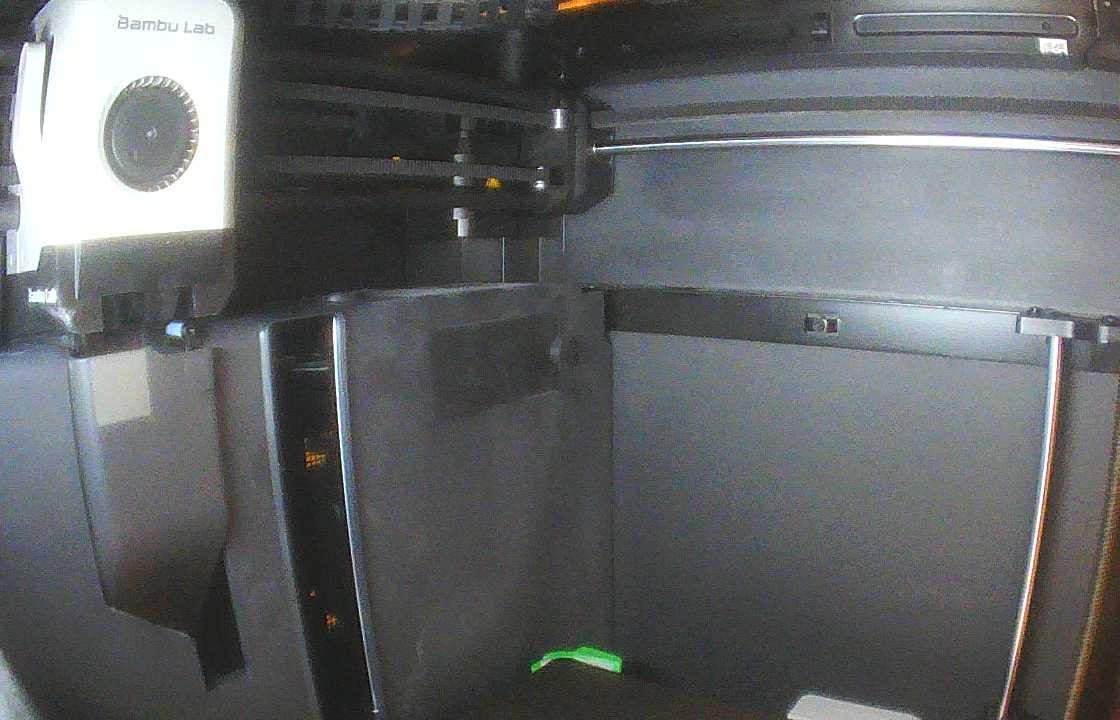
One camera per printer. One verdict — occupied or clear — on the chamber frame.
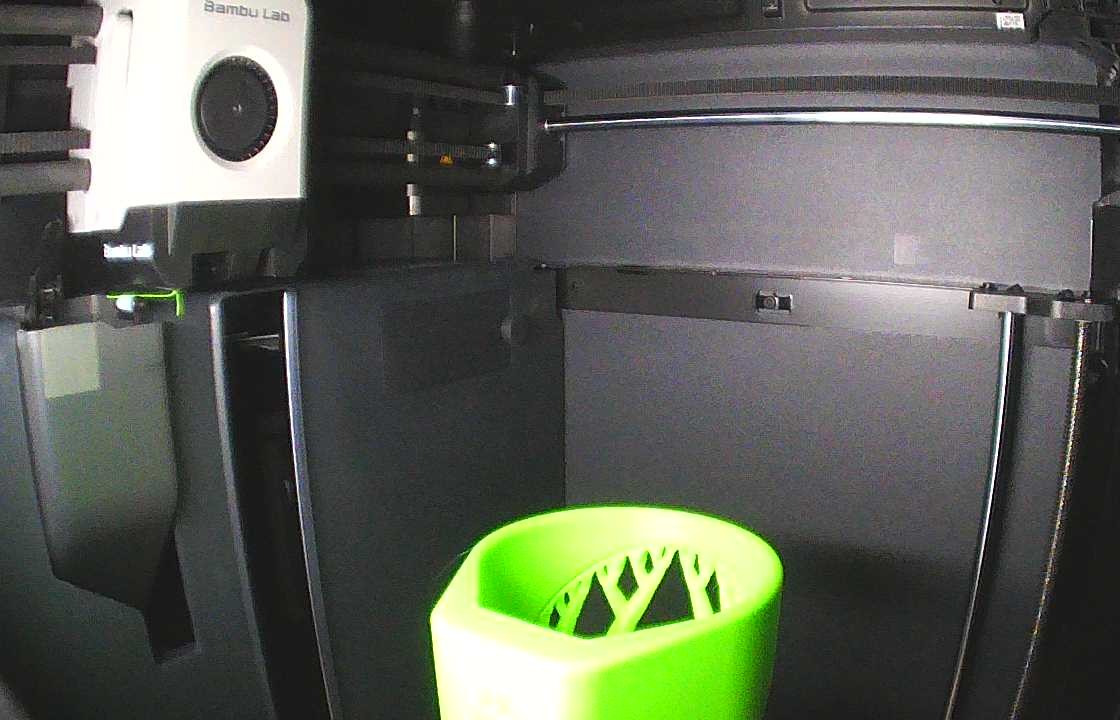
Chamber camera view of a Bambu Lab printer with a finished green print still on the build plate. Occupied
Occupied. A finished print is still on the plate — the printer isn’t free, and there’s nothing to book yet.
Chamber camera view of the same printer with the print removed and the build plate empty. Clear
Clear. The print’s been removed — book it into stock and start the next one.

What the signal unlocks

Hands-off collect Two clear verdicts in a row book the finished print into inventory and offer the printer to the queue — no taps, no walking the farm to press Done.
A real “printer free” signal A finished printer isn’t free: its plate is still occupied. Plate-check is the difference, so the queue only routes the next job to a machine that can actually take it.
Learns your farm itself The printer’s own state changes are the labels — a finish means occupied, the next print means clear. Exemplars accumulate from day one, with no dataset to build and nothing to annotate.
How it works

Built to never call an occupied plate clear.

A false clear is the costly error — it books stock with a part still on the plate. So the verdict is conservative by design. A geometry step finds the plate edge and diffs the frame against known-clear references; an embedding model covers printers it hasn’t learned yet; and nothing outranks a not-clear reading with “clear.” A small mirror aimed at the plate closes the one blind spot — short prints that finish with the plate below the wide camera’s view.

0 false clears across 316 labeled frames in benchmarking — including the short-print cases that fooled the embedding model on its own.

What it needs

Bambu Lab P1-series Printers with chamber cameras. The roster is however many machines you run — one verdict per printer.
A Raspberry Pi 4 The whole service runs on a Pi next to the farm — Flask and a small ONNX model, nothing heavier.
LAN or Home Assistant Reach the printers directly over your network (default) or through Home Assistant. Read-only, except one thing: it flicks the chamber light on before a snapshot.
The honest part

Plate-check detects that the finished print is no longer on the build plate — which is exactly the collect-and-book question. It is not a promise that the plate is spotless and ready to print. That’s why it’s built for a farm where a person still starts each job and can glance at the plate. Fully lights-out starts are a deliberate next step — not a claim we make today.

Early access

Get it first

Plate-check ships with PrintToShip, the fulfillment app it powers — built for small farms that ship with ShipStation and run Bambu Lab printers. Tell us about yours and you’re on the list. Curious what the app looks like? Try the live demo first.

Email
How do you buy shipping labels?
What printers do you run?
How many printers?

Your email goes to DrawnToDigital only — no lists, no spam, one note when early access opens.